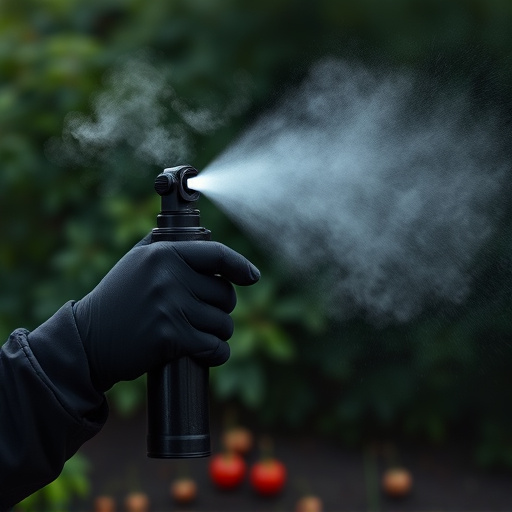
In case of a pepper spray attack, immediate emergency treatment is crucial. This involves moving to a safe area, flushing eyes with water for 15 minutes, breathing slowly while sitting upright, and seeking medical advice if symptoms persist. Long-term precautions include carrying personal safety pepper spray, understanding local laws, and consulting healthcare professionals.
Personal safety is paramount, especially in today’s uncertain times. One potent tool for self-defense against violent attacks is inflammatory pepper spray. This article delves into the dynamics of pepper spray, exploring its immediate and long-term effects. We’ll guide you through understanding how it works, providing emergency treatment after a pepper spray attack, and offering recovery and prevention strategies. By equipping yourself with this knowledge, you can better navigate potential threats and ensure your safety.
- Understanding Pepper Spray Dynamics: How It Works
- Immediate Response: Emergency Measures After Exposure
- Long-Term Care: Recovery and Prevention Strategies
Understanding Pepper Spray Dynamics: How It Works
Understanding Pepper spray dynamics involves grasping its active ingredient, capsaicin, which is derived from chili peppers. When deployed, pepper spray creates a caustic chemical reaction by binding to nerve endings in the eyes and respiratory system, causing intense irritation and temporary incapacitation. This disruption can be vital in self-defense scenarios, offering individuals time to escape or seek help during an assault.
Knowing emergency treatment after a pepper spray attack is crucial. Victims should immediately move to a safe, well-ventilated area. Washing eyes with warm water for at least 15 minutes helps flush out the irritant. Inhalation symptoms can be managed by sitting upright and breathing slowly through the nose while covering the mouth. Medical attention should be sought if symptoms persist or worsen, ensuring prompt recovery in such distressing situations.
Immediate Response: Emergency Measures After Exposure
In the event of a pepper spray attack, immediate and appropriate emergency treatment is crucial for mitigating the effects of the irritant. If exposed, take a few deep breaths to calm yourself; this can help dilute the chemical in your lungs. Seek fresh air immediately by moving to an open area or turning on ventilation systems if available. Remove any contaminated clothing, especially around the face, neck, and hands, as these areas are most susceptible to pepper spray’s effects.
For emergency treatment after a pepper spray attack, rinse affected eyes with clean water for at least 15 minutes to flush out any remaining irritants. If breathing is difficult, use an inhaler (if you have one) or attempt to breathe into a wet cloth to aid in soothing the respiratory tract. Call emergency services and provide them with details about your condition and location. It’s important to stay hydrated and avoid consuming alcohol as it may exacerbate symptoms. Seek medical attention promptly, even if symptoms seem minor, as the effects of pepper spray can be unpredictable and worsen over time.
Long-Term Care: Recovery and Prevention Strategies
In the aftermath of a pepper spray attack, immediate emergency treatment is crucial for mitigating the effects and ensuring swift recovery. The first step involves moving to a safe location away from the source of the spray to prevent further exposure. Next, flush the affected area thoroughly with water to dilute the chemical irritants. This can be done using a nearby water source or by seeking professional medical assistance if severe symptoms persist.
Long-term care and prevention strategies are equally important. Individuals who have experienced a pepper spray attack should consider carrying personal safety inflammatory pepper spray for future protection. Regularly updating knowledge on safe handling practices and staying informed about local laws pertaining to the use of such devices can further enhance personal safety. Additionally, seeking medical advice to understand any potential long-term effects specific to the individual’s health condition is advisable, ensuring proactive measures are taken for recovery and prevention.
Personal safety is paramount, especially in today’s diverse world. Understanding how pepper spray dynamics work, knowing immediate response measures after exposure, and implementing long-term care strategies are crucial components of self-defense against such attacks. Remember that emergency treatment after a pepper spray attack can significantly aid recovery, while proactive prevention strategies can mitigate future risks. As folks navigate the challenges of our time, fostering awareness and adopting these safety measures can be a game changer in protecting oneself and one’s community.