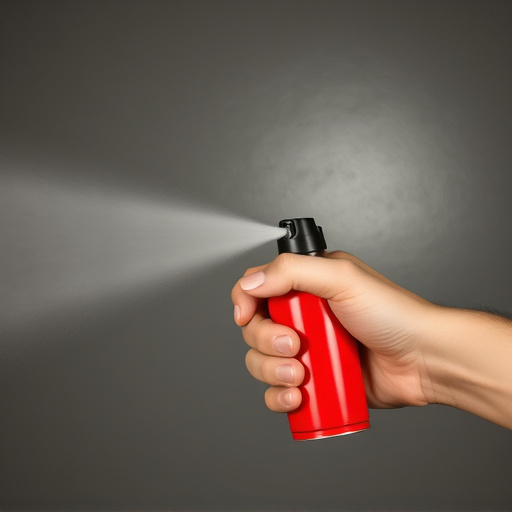
Capsaicin, found in chili peppers, offers a non-lethal self-defense option with blinding and burning effects on attackers. After a pepper spray attack, immediate emergency treatment is vital. This includes rinsing affected areas with water for 15+ minutes, removing contaminated clothing, seeking fresh air, and medical attention. Long-term prevention strategies enhance safety by carrying PPE, training in de-escalation, and adhering to emergency protocols.
“Discover the power of capsaicin, a natural inflammatory agent used in deterrent spray, effective against pepper spray attacks. This article explores the science behind this potent tool, offering insights into how it works and immediate response strategies for emergency treatment after exposure. We also delve into long-term care and prevention tactics to help you stay safe, providing essential knowledge on what to do during and after a pepper spray attack, focusing on crucial emergency treatment measures.”
- Understanding Capsaicin: The Science Behind the Spray
- Immediate Response: Emergency Steps After Exposure
- Long-Term Care and Prevention Strategies for Pepper Spray Attacks
Understanding Capsaicin: The Science Behind the Spray
Capsaicin, the active ingredient in chili peppers, is a powerful compound that gives spicy foods their heat. In the context of self-defense, capsaicin spray has emerged as an innovative deterrent. When sprayed onto an attacker’s eyes and skin, it triggers a burning sensation and temporary blindness, providing valuable time for escape. This non-lethal weapon is especially useful in close-quarter encounters, offering an effective emergency treatment after a pepper spray attack.
The science behind capsaicin’s effectiveness lies in its interaction with the body’s nerve endings. It binds to specific receptors, leading to the release of neurotransmitters that cause inflammation and pain. This rapid response creates a powerful deterrent effect, making it a game-changer in personal safety measures. Understanding these biological mechanisms highlights the potential of capsaicin as an alternative to traditional self-defense methods, especially for individuals seeking non-deadly options for protection.
Immediate Response: Emergency Steps After Exposure
In the event of a pepper spray attack, immediate and effective emergency treatment is crucial. If exposed to capsaicin, the active ingredient in pepper spray, it’s important to act swiftly. The first step is to move to a safe location away from the source of the spray to prevent further exposure. Remove any contaminated clothing or accessories immediately, taking care not to rub the eyes or face, as this can exacerbate irritation.
For emergency treatment after a pepper spray attack, rinse the affected area with plenty of water for at least 15 minutes. This helps to dilute and wash away the capsaicin. If irritation persists, seek medical attention promptly. Use eye washes or saline solution if eyes are affected, and ensure proper decontamination of any cuts or open wounds. Over-the-counter pain relievers can help alleviate discomfort, but severe reactions may require prescription medications.
Long-Term Care and Prevention Strategies for Pepper Spray Attacks
In the event of a pepper spray attack, long-term care and prevention strategies are essential to mitigate the effects and ensure the safety of individuals. Emergency treatment after a pepper spray attack involves immediate washing of the affected areas with plenty of water for at least 15 minutes to dilute the capsaicin, the active ingredient responsible for the burning sensation. This step is crucial as it helps reduce the severity of symptoms and prevents further irritation.
Additionally, removing any contaminated clothing or accessories and seeking fresh air is vital. If possible, seek medical attention, especially for individuals with pre-existing respiratory conditions or those experiencing severe symptoms. Long-term prevention strategies include carrying personal protection equipment, such as masks or specialized goggles, when in high-risk areas. Regular training on de-escalation techniques and emergency protocols can also equip individuals to handle potential attacks effectively while minimizing exposure to capsaicin inflammatory agents.
Capsaicin inflammatory agent deterrent spray, while a powerful tool in personal protection, requires understanding its science, immediate response protocols, and long-term prevention strategies. In the event of an attack, prompt emergency treatment after a pepper spray exposure is crucial for effective care and recovery. By combining knowledge with appropriate actions, individuals can better navigate potential risks and ensure their safety. Implement these strategies to stay protected and prepared in situations involving capsaicin deterrent sprays.