TL;DR:
Capsaicin, found in chili peppers, acts as a powerful irritant to human sensory neurons responsible for heat and pain. Used in pepper spray, it disrupts crowds by targeting eyes, nose, and respiratory system, causing temporary discomfort. For emergency treatment after a pepper spray attack, move to a safe area, flush affected areas with cool water, and seek medical attention for persistent symptoms. Over-the-counter pain relievers and hydration can manage immediate discomfort until effects subside. Key focus is on alleviating suffering and preventing long-term issues, especially in individuals with pre-existing health conditions.
“Uncovering the power of nature’s spicy secret, this article explores capsacain-based inflammatory crowd control sprays. We delve into the science behind capsicum’s effects on inflammation, revealing its potential as a non-lethal tool in crowd management. Furthermore, we examine the practical applications and emergency response measures following a pepper spray attack, emphasizing the importance of immediate care and effective treatment strategies. Discover how these innovative solutions are reshaping public safety.”
- Understanding Capsaicin and Its Effects on Inflammation
- The Role of Capsaicin-Based Sprays in Crowd Control
- Emergency Treatment After a Pepper Spray Attack Using Capsaicin
Understanding Capsaicin and Its Effects on Inflammation
Capsaicin, the active ingredient in chili peppers, has gained attention for its potential in crowd control and pain management due to its potent inflammatory effects. This chemical compound is a member of the vanilloid family and acts as a powerful irritant to the human body’s sensory neurons, particularly those responsible for detecting heat and pain. When exposed, capsaicin binds to receptor sites on these neurons, leading to a cascade of physiological responses, including increased heart rate, perspiration, and the sensation of pain.
Beyond its use in culinary contexts, capsaicin has found applications in medical settings as an emergency treatment after pepper spray attacks or other situations involving exposure to irritants. Its anti-inflammatory properties make it a valuable tool in mitigating the severe inflammation and discomfort often associated with such incidents. By understanding how capsaicin interacts with the body’s systems, researchers and law enforcement agencies are exploring its potential as a non-lethal crowd control measure while also considering the important aspects of emergency treatment for affected individuals.
The Role of Capsaicin-Based Sprays in Crowd Control
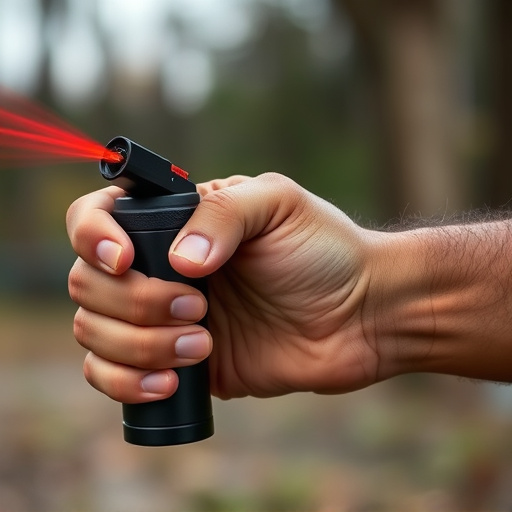
Capsaicin-based inflammatory crowd control sprays have emerged as a novel and potentially effective tool in managing large gatherings and maintaining public safety. These specialized agents, often referred to as pepper spray, exploit the capsaicin molecule, the compound that gives chili peppers their heat. When deployed strategically, they can quickly disrupt and disperse crowds, providing critical time for law enforcement to gain control over potentially volatile situations.
The effectiveness of capsaicin sprays lies in their ability to induce a powerful inflammatory response in the eyes, nose, and respiratory system of individuals targeted. This irritates and inflames these areas, leading to temporary but intense discomfort, tears, coughing, and difficulty breathing. The immediate impact serves as an emergency treatment after a pepper spray attack, providing a crucial window for affected individuals to retreat and seek safety while allowing authorities to restore order.
Emergency Treatment After a Pepper Spray Attack Using Capsaicin
In the event of a pepper spray attack, emergency treatment is crucial to mitigate discomfort and potential long-term effects. The first step after exposure is to immediately move to a safe, well-ventilated area. This is essential as breathing in pepper spray can cause severe respiratory distress. Wash affected areas with plenty of water; this includes eyes, nose, mouth, and skin. The water should be cool to help ease the burning sensation. Removing contaminated clothing carefully is also important to prevent further exposure.
For eye irritation, flush them gently for at least 15 minutes with clean water or a saline solution. Seeking medical attention is advisable if symptoms persist or worsen, especially for individuals with pre-existing respiratory conditions. Over-the-counter pain relievers can help manage headaches and body aches caused by the spray. It’s important to stay hydrated and avoid strenuous activities until the effects subside.
Capsaicin, the active ingredient in chili peppers, has emerged as an innovative solution for crowd control and emergency treatment after a pepper spray attack. Its powerful anti-inflammatory properties make it an effective tool to manage and reduce swelling and pain during chaotic situations. While capsaicin-based sprays have proven their worth in crowd control scenarios, proper training and safety protocols are essential to ensure responsible use. Understanding the unique effects of capsaicin can help first responders provide prompt emergency treatment after a pepper spray attack, offering relief and ensuring the well-being of those affected.